Game On, Clutter Gone: A Smarter Way to Store Sports Gear Near Morey Courts in Mt Pleasant
Game On, Clutter Gone: A Smarter Way to Store Sports Gear Near Morey Courts in Mt Pleasant
Josh Summerhays
August 13th, 2026
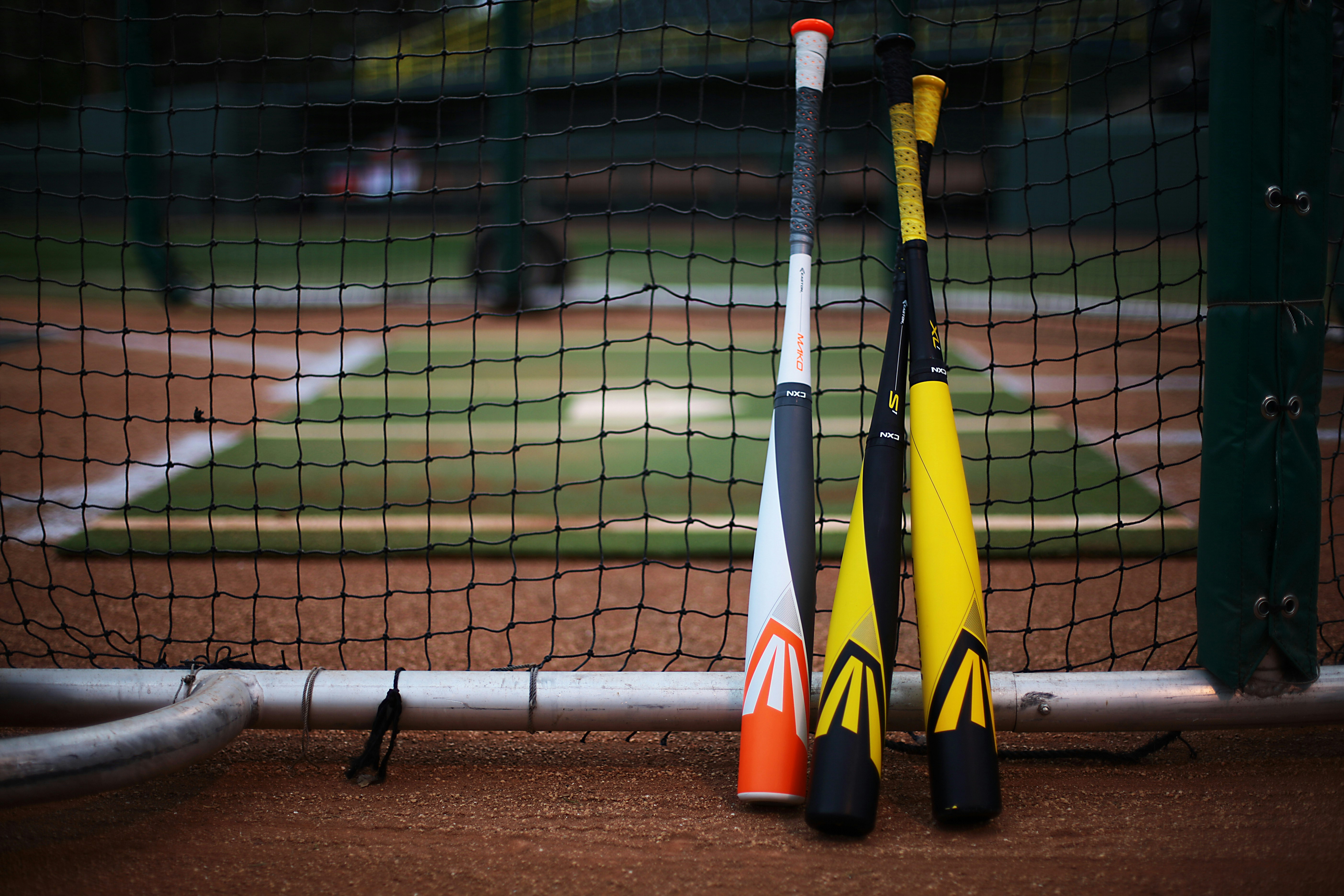
Sports gear has a funny way of spreading throughout a home. It starts with a basketball in the garage or a pair of cleats by the door. Then come the duffel bags, helmets, folding chairs, training cones, bicycles, bats, gloves, extra shoes, and equipment that belongs to a sport no one in the family is currently playing. Before long, the garage feels less like a place to park and more like an equipment room where finding one particular item requires moving five others first.
That situation can be especially familiar for active households around Morey Courts Recreation Center. Morey Courts is a major recreational destination in Mt Pleasant, with eight full-sized indoor basketball and volleyball courts, tennis and pickleball courts, a walking and jogging track, racquetball and wallyball courts, fitness facilities, and other spaces for recreation. With so many ways to stay active in one place, it is easy to see why local athletes and families can accumulate equipment for several different activities. For households that want their gear nearby without giving up valuable room at home, our storage options in Mt Pleasant can provide additional space for equipment between practices, games, tournaments, and seasons.
The key, however, is not simply moving everything from the garage into a storage unit. Sports equipment tends to be accessed differently from furniture, household boxes, or long-term belongings. Some gear may be needed several times a week, while other equipment might sit untouched until the next season. Therefore, the most useful sports storage setup is one designed around how often equipment gets used, where it is used, and how quickly it needs to be retrieved.
Key Points for Readers Short on Time
- Sports equipment is easier to manage when frequently used gear stays accessible, and off-season items are stored farther back.
- Cleaning and completely drying equipment before storage helps prevent odors and unnecessary deterioration.
- Shelving, labeled containers, and separate zones for different sports can keep a storage unit from becoming another cluttered garage.
- Drive-up storage can be especially convenient for bicycles, large sports bags, team equipment, folding chairs, and other bulky recreational items.
- Mt Pleasant offers a wide range of indoor and outdoor recreational opportunities, making organized gear storage useful for active households throughout the area.
When Sports Gear Starts Competing With Everyday Living Space
One basketball or baseball glove rarely creates a storage problem on its own. The difficulty comes from everything that accompanies it. Basketball players may have multiple pairs of shoes, training cones, pumps, braces, jerseys, bags, and portable training equipment. Baseball and softball players add bats, helmets, gloves, buckets of balls, catcher gear, and protective equipment. Families involved in outdoor recreation may also be finding space for bicycles, coolers, camping supplies, folding chairs, and other bulky items. Furthermore, sports equipment rarely fits neatly into standard household storage. Bats are too long for many shelves. Bicycles occupy valuable floor space. Helmets cannot simply be flattened into a box. Duffel bags become awkward piles when they are stacked, while basketballs and soccer balls tend to roll wherever there is room. Even a well-organized garage can begin to feel crowded when several categories of equipment are competing for the same limited space.
The problem becomes more noticeable when several people in the household participate in different activities. One child may be playing basketball while another is preparing for baseball or softball. Meanwhile, parents may have their own fitness equipment, bicycles, or recreational gear. Much of that equipment still has value and will be used again, but it does not necessarily need to occupy the most accessible areas of the home every day. This is where a storage unit can become less of a place for miscellaneous belongings and more of an organized equipment room. Instead of getting rid of perfectly useful gear or continually rearranging the garage, families can separate everyday equipment from seasonal items and create a rotation that follows their actual recreational schedule.
Morey Courts Helps Shape an Active Mt Pleasant Community
For families spending time around Morey Courts, recreational equipment can become part of the weekly routine rather than something that comes out only occasionally. According to Morey Courts Recreation Center, the facility focuses on providing recreational opportunities for the community and offers programming for athletes at different skill levels. Its facilities support basketball, volleyball, tennis, pickleball, racquetball, fitness activities, and other forms of recreation.
That variety matters when thinking about storage because an active household may not have just one category of gear. A family could be carrying basketball equipment one week and pickleball equipment the next. Children may participate in camps or organized programs while adults maintain their own fitness routines. Consequently, equipment moves in and out of the house frequently, which makes accessibility almost as important as available space. Location can also become part of the equation. If equipment is being used regularly around the same part of town, storing it nearby can make the overall routine more manageable. Instead of treating storage as a distant place where belongings disappear for months, an organized storage unit can function more like an extension of the garage, particularly for gear that is rotated throughout the year.
Think of the Storage Unit as an Equipment Locker, Not a Spare Closet
There is an important difference between storing sports equipment and storing belongings that will not be touched for a year. Holiday decorations can usually go toward the back of a storage unit until their season returns. A basketball bag needed twice next week obviously cannot. Therefore, before moving sports equipment into storage, it helps to think about frequency of use first. Begin by mentally dividing the unit into zones. Equipment that is currently in season should remain near the entrance. Gear for the next upcoming activity can sit behind it, while equipment that will not be used for several months can occupy areas farther back. This creates a natural rotation and reduces the amount of rearranging required each time something is needed.
At the same time, resist the temptation to fill every square foot of floor space. Leaving a narrow walkway may seem inefficient at first, but that open path can be incredibly useful later. Without one, retrieving a single baseball glove from the rear of the unit could mean unloading bicycles, boxes, chairs, and bags just to reach it. Shelving can also make a significant difference because sports gear often includes many smaller items. Pumps, balls, gloves, protective equipment, training accessories, helmets, and shoes are much easier to manage when they are visible and grouped logically. For a deeper look at building an accessible layout, our guide to smart ways to pack your storage unit like a pro explains how clean rows, labeling, vertical space, and thoughtful placement can prevent stored belongings from turning into an unmanageable pile.
The Best Sports Storage Routine Starts Before Anything Gets Packed
After a long practice or tournament, putting equipment away quickly can be tempting. Unfortunately, sports gear often comes home carrying dirt, grass, moisture, sweat, and the occasional forgotten snack or water bottle. Closing all of that inside a bag and placing it into storage can create unpleasant surprises the next time the equipment is needed. Instead, empty every sports bag before storing it. Remove clothing, towels, wrappers, bottles, tape, and anything else that accumulated during practices or games. Wash fabric items according to their care instructions, wipe dirt from hard equipment, and give shoes and protective gear enough time to dry thoroughly.
This preparation step also creates a natural opportunity to inspect everything. Look for cracked helmets, worn straps, damaged buckles, flattened balls, broken zippers, or equipment that no longer fits. Children's sports gear deserves particular attention because a helmet, pair of cleats, or protective pad that fit at the end of one season may be too small by the time the sport begins again. As a result, the storage process becomes an inventory check as well as a cleaning routine. Instead of discovering damaged or outgrown equipment on the morning of the first practice, families can identify those problems before the gear goes into storage.
Basketball Gear Needs to Stay Easy to Reach
For households regularly visiting Morey Courts, basketball equipment may be among the most frequently accessed items in storage. Fortunately, basketball gear is relatively simple to organize once everything has a designated place. Balls can be kept together in a rack, basket, or container that prevents them from rolling across the unit. Meanwhile, pumps, replacement needles, braces, training cones, whistles, and other smaller accessories can occupy a labeled container on a shelf. Shoes should be cleaned and completely dry before storage, while uniforms and towels should be washed instead of remaining inside a closed sports bag.
More importantly, frequently used basketball bags should stay close to the unit entrance. There is little benefit in creating a beautifully organized storage unit if retrieving the bag needed for tonight's practice requires moving several bicycles and bins. Accessibility should follow actual use. Training equipment that is used less often can sit farther back or higher on shelving. This distinction between regular and occasional equipment creates a storage arrangement that feels intentional rather than crowded.
Baseball and Softball Gear Present a Different Challenge
Baseball and softball equipment require a slightly different strategy because so many pieces are awkwardly shaped. Bats are long and narrow, helmets take up considerable shelf space, gloves should not be crushed, and catcher equipment can fill a large bag by itself. Rather than leaning bats randomly against the wall, consider grouping them vertically in a stable container or secure rack. Keeping them together reduces clutter while making it easier to see what is available. Helmets can sit on sturdy shelving where heavy containers will not be stacked on top of them, and gloves should be stored in a way that helps them maintain their shape.
Smaller pieces are often where organization breaks down. Batting gloves, balls, guards, training tools, and accessories can disappear surprisingly quickly when everything is thrown into one large equipment bag. Separating those items into labeled containers creates a much easier starting point when the next season arrives. Additionally, organizing by player can be helpful for families with several athletes. Instead of one enormous baseball section, individual bags or containers can keep each person's equipment together. That makes it easier to identify missing items, check sizes, and avoid accidentally buying something that is already sitting in storage.
Outdoor Recreation Adds Another Layer to the Storage Puzzle
Mt Pleasant's recreational culture does not stop at indoor courts. Central Michigan University adds another significant collection of athletic and recreational opportunities to the area. Central Michigan University Recreation includes intramural and club sports, fitness programs, aquatics, and other activities. CMU's recreation facilities also include basketball, volleyball, badminton, racquetball, fitness, swimming, and outdoor sports spaces. For local households, that broader recreational environment can translate into an equally broad collection of gear. Bicycles, outdoor games, camping equipment, folding chairs, coolers, sports bags, portable training equipment, and similar belongings may all compete for garage space. CMU's Outdoor Sports Complex alone includes softball, intramural, and club sports fields, further illustrating how varied recreation around Mt Pleasant can be.
Because outdoor equipment tends to be larger, it benefits from a little extra planning. Bicycles should be cleaned before storage and positioned where boxes or heavy equipment will not fall against them. Helmets, locks, pumps, repair tools, and other cycling accessories can be grouped so that everything needed for a ride remains easy to locate. Similarly, folding chairs, coolers, wagons, and other spectator equipment can have their own section. Keeping these items together prevents the familiar game day search through the garage for the chair that somehow ended up behind the lawn equipment.
Drive Up or Indoor Storage? Start With the Gear You Actually Own
Once the equipment has been sorted, another question naturally follows: what kind of storage setup makes sense for it? For bulky sports equipment, drive-up storage can simplify loading and unloading. Bicycles, team bags, folding chairs, portable training equipment, and larger containers can be cumbersome to carry over long distances. Being able to move those items between a vehicle and a unit with fewer steps can make repeated visits easier.
Indoor storage, on the other hand, provides a different type of setup that may make sense for smaller equipment and belongings that do not require direct vehicle access. Neither arrangement is automatically the right choice for every athlete or family. Instead, the decision should reflect what will actually be stored and how often those belongings will be retrieved. We explore that distinction in greater detail in our guide to choosing between drive-up and indoor storage in Mt Pleasant. For sports equipment in particular, thinking about visit frequency is important. A unit that works well for belongings retrieved twice a year may feel inconvenient for gear that moves in and out every week.
Organize by Season Without Losing Track of Everything
Once sports equipment has a dedicated storage space, seasonal rotation can make the entire system easier to maintain. Rather than allowing every sport to occupy the front of the unit simultaneously, move the equipment that is currently being used into the most accessible area. For example, basketball gear can remain near the entrance while basketball activities are in full swing. As baseball or softball season approaches, those bags and containers can gradually move forward. Once basketball equipment is no longer needed regularly, it can be cleaned, inspected, and moved farther back.
This approach keeps the storage unit changing along with the household instead of becoming frozen in the arrangement created on move-in day. It also provides natural opportunities to reorganize and remove equipment that is no longer useful. A simple inventory can make this rotation even easier. It does not need to involve a spreadsheet or elaborate tracking system. A note on a phone identifying what is in storage, where major items are located, and which equipment may need replacement can be enough.
Remember the Gear Belonging to Everyone on the Sidelines
One of the easiest storage categories to overlook is spectator equipment. Parents and family members attending games can accumulate almost as much gear as the athletes themselves. Folding chairs, wagons, coolers, blankets, seat cushions, portable tables, and bags can consume an impressive amount of space. These items also tend to migrate around the house because they do not have a permanent home. A folding chair may end up in the trunk of a car, while another sits in the basement and the cooler stays in the garage. Then, just before a tournament, everyone has to remember where everything went.
Creating a dedicated spectator section inside a storage unit solves that organizational problem. Folding items can be stored together, while smaller accessories can occupy a labeled container. When the next game or tournament comes around, the necessary equipment is already grouped instead of scattered across several rooms. This is another reason to organize around routines rather than individual objects. A good storage system answers the question, "What will we need when we do this activity again?" Keeping related belongings together makes that answer much easier.
Protect the Sports Equipment That Represents a Bigger Investment
Although some sports gear is inexpensive to replace, other equipment represents a considerable investment. Bicycles, specialty bats, protective equipment, training tools, helmets, and other sporting goods can add up quickly, particularly when several family members participate. For that reason, efficient storage should never mean careless stacking. Avoid placing heavy bins on helmets, sports bags containing fragile items, or equipment that could bend or lose its shape under pressure. Heavier belongings generally make more sense closer to floor level, while lighter gear can take advantage of shelving and vertical space.
Likewise, avoid creating oversized containers simply because they seem efficient. A huge bin filled with equipment from four different sports quickly becomes difficult to lift and frustrating to search. Several moderately sized, clearly labeled containers are usually easier to handle and make it possible to retrieve one category without disturbing everything else. Good organization also helps families understand what they already own. When equipment is visible and labeled, it becomes much easier to notice that three basketball pumps, two sets of training cones, and an extra baseball glove are already in storage. That can prevent unnecessary duplicate purchases.
A Storage Unit Should Solve Clutter, Not Relocate It
Perhaps the most important rule of sports gear storage is also the simplest: do not allow the storage unit to become another version of the cluttered garage you were trying to fix. This can happen gradually. The unit begins with clean rows and carefully labeled containers. Then someone drops a sports bag by the entrance after practice. A bicycle gets parked in the walkway. Folding chairs get pushed into the nearest open space. Eventually, the back half of the unit becomes difficult to reach.
Fortunately, maintaining organization does not require a complete rearrangement every month. A few habits make a noticeable difference. Return equipment to its assigned area, keep the walkway open, label containers specifically, and periodically remove belongings that are damaged, outgrown, or no longer used. For example, "Sports Stuff" is not a particularly helpful label six months later. "Baseball: Gloves, Balls and Training Gear" immediately tells you what is inside. Specific labels become even more valuable when several family members share the unit. Most importantly, leave enough room to actually use the storage space. Maximizing every inch sounds efficient, but a storage unit that cannot be navigated is rarely convenient. Accessible storage generally provides more practical value than completely packed storage.
Make the Sports Calendar Part of the Storage Routine
A little planning at the beginning and end of each sports season can prevent a lot of frustration later. When a season ends, bring the equipment home, empty the bags, clean everything, and evaluate what should be kept. Then, once everything is completely dry, return the gear to its designated storage area. Before the next season begins, reverse the process early rather than waiting until the first practice. Retrieve the equipment, check sizes, inspect protective gear, inflate balls if necessary, and identify anything that needs replacement.
This routine is especially valuable for growing children. Shoes, uniforms, helmets, gloves, pads, and other fitted equipment can become too small between seasons. Discovering that problem a week or two before practices begin is considerably easier than finding out while trying to leave the house. Over time, this seasonal rhythm can also keep the storage unit from filling with forgotten equipment. Each transition creates a natural opportunity to decide what still deserves space and what can be donated, passed along, or removed.
Keeping Sports Part of the Fun Instead of Part of the Clutter
An active household is naturally going to own equipment. The goal is not to eliminate that gear or hide everything away. Instead, good storage creates a practical middle ground where sports equipment remains available without occupying every closet, garage corner, basement shelf, or spare room. That balance is particularly relevant in Mt Pleasant, where facilities such as Morey Courts and Central Michigan University's recreational spaces create plenty of opportunities to stay active. Morey Courts itself offers numerous indoor court and fitness activities, while CMU expands the local recreation picture with intramural sports, club sports, aquatics, fitness facilities, and outdoor fields.
Ultimately, the best sports storage arrangement is the one that matches the way the household actually uses its gear. Frequently used bags belong near the front. Off-season equipment can move farther back. Smaller accessories need labels and containers, while bicycles and bulky equipment need enough room to remain protected and accessible. For households trying to create that extra breathing room, we at Mt. Pleasant Storage offer storage options in Mt. Pleasant that can support a more organized approach to recreational equipment. With a thoughtful layout and a simple seasonal routine, a storage unit can keep the gear connected to basketball games, practices, tournaments, bike rides, and other Mt Pleasant activities organized without allowing it to take over the home. After all, sports equipment is much easier to appreciate when the basketball is ready for the next game instead of rolling out from underneath the car every time the garage door opens.
Storage Blog
Categories